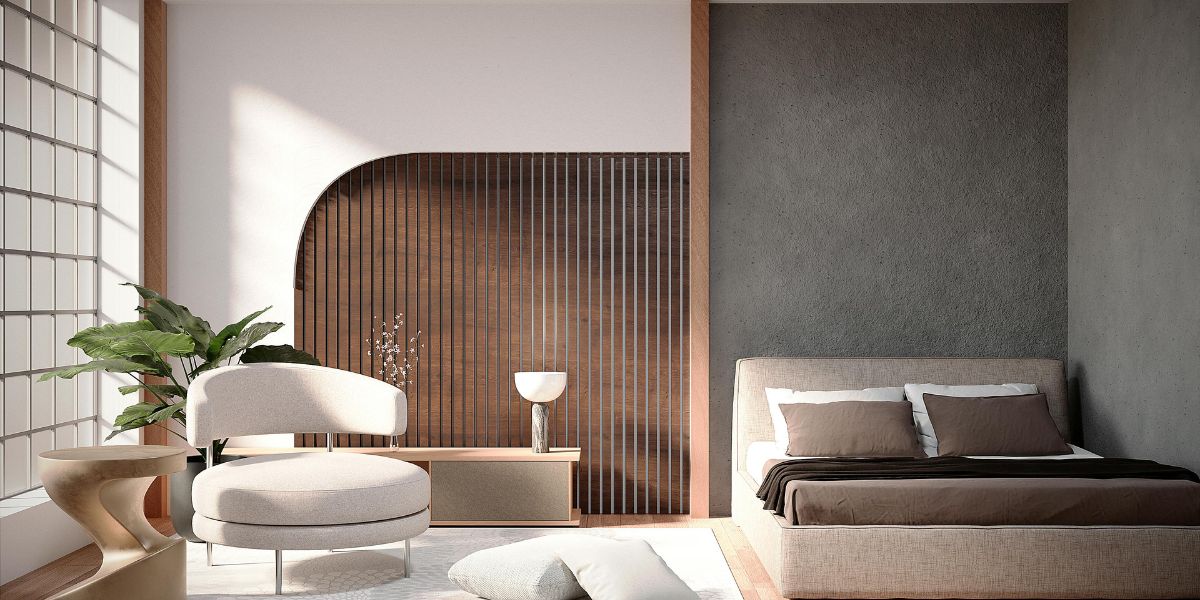
Many homeowners reach a point where their home still has the right location, the right neighbourhood, and the right overall potential, but the interior no longer fits the way they live. The kitchen may feel too small for family gatherings. The bathrooms may feel dated or difficult to use. The main floor may feel closed off and dark. Storage may be limited, and rooms that once worked well may no longer support modern routines.
This is one of the main reasons people choose to renovate instead of moving. A well-planned renovation can take a home that feels outdated or inefficient and turn it into a space that feels more comfortable, functional, and personal. It allows homeowners to keep the things they already love about the property while improving the areas that no longer serve them.
However, a successful renovation does not happen by simply replacing old finishes with new ones. It requires careful planning, practical design, skilled construction, and a clear understanding of how the homeowners actually use the space. For anyone considering custom home renovations in Calgary, the best results usually begin with a thoughtful process that connects design ideas with real construction experience.
Renovation Should Start With How the Home Is Used
Before choosing countertops, flooring, fixtures, cabinets, or paint colours, homeowners should think about how their home functions every day. This is the foundation of a meaningful renovation. The goal is not just to make the home look newer. The goal is to make it work better.
A kitchen may need more than updated cabinetry. It may need better movement between the sink, stove, fridge, pantry, and prep areas. A bathroom may need more than modern tile. It may need improved lighting, better storage, a larger shower, or a layout that feels less cramped. A main floor may need more than new flooring. It may need better sightlines, more natural light, and stronger connections between living spaces.
Every family uses a home differently. Some need space for entertaining. Some need better storage for children and busy routines. Some want a more peaceful primary ensuite. Others need a full-home renovation that supports working from home, aging in place, or a growing family. When the renovation is planned around these real needs, the final result feels more useful and lasting.
Layout Creates the Biggest Everyday Difference
Finishes are important, but layout often has the greatest impact on daily living. A beautiful room can still feel frustrating if the layout is awkward. A well-designed layout, on the other hand, can make even a modest space feel larger, brighter, and easier to use.
In kitchens, layout planning affects cooking, storage, cleanup, seating, and entertaining. The placement of appliances, work surfaces, cabinets, and islands needs to support natural movement. If the layout is poorly planned, the kitchen may feel crowded even after a major investment. If it is planned well, the space can become the centre of the home.
In bathrooms, layout affects comfort and privacy. A better vanity location, improved shower design, smarter storage, and proper lighting can make the room feel completely different. Small bathrooms especially benefit from careful planning because every inch matters.
For larger renovations, layout can transform the whole home. Removing a wall, widening an opening, changing a doorway, or rethinking how rooms connect can create a more open and welcoming environment. These changes should be planned carefully because they may involve structural, plumbing, electrical, or mechanical work. That is why design decisions should always be reviewed with construction realities in mind.
Why Design and Construction Need to Work Together
One of the biggest challenges in renovation is making sure the design vision can be built properly, within budget, and with the right timeline. A design may look excellent on paper, but it also needs to work with the existing structure of the home. Older homes can have hidden issues, uneven framing, outdated systems, or limitations that are not obvious until the planning process begins.
When design and construction are handled separately without strong coordination, homeowners may run into problems. A design may be created without enough attention to cost. A contractor may later discover that a layout change is more complex than expected. Materials may be selected too late, causing delays. These issues can create stress and confusion.
A connected design-build process helps prevent many of these problems. Design, budgeting, planning, and construction are considered together from the start. Homeowners can understand what is possible, what choices affect the budget, and what details need to be finalized before construction begins. This creates a more organized renovation experience and a better final result.
Kitchen Renovations Need Both Beauty and Function
The kitchen is often one of the most important renovation areas in the home. It is used every day and often acts as a gathering place for family and guests. Because of this, a kitchen renovation needs to balance style, storage, durability, and flow.
A successful kitchen design should consider how the homeowner cooks, entertains, shops, stores items, cleans, and moves through the space. Cabinetry should be designed for real storage needs. Countertops should provide enough workspace. Lighting should support food preparation while also creating warmth. Appliances should be placed where they make sense for daily use.
Many homeowners want open kitchens because they create a stronger connection between cooking, dining, and living areas. This can be a great choice, but it needs proper planning. Opening walls may involve structural work. Adding an island requires enough clearance around it. Moving appliances may affect plumbing, electrical, and ventilation. These details need to be reviewed carefully so the finished kitchen feels both attractive and practical.
Professional kitchen renovation planning can help homeowners avoid common mistakes and create a space that supports everyday life. The best kitchen renovations are not only beautiful in photos. They are easy to use, comfortable to gather in, and built around the way the household actually lives.
Bathroom Renovations Require Careful Detail
Bathrooms may be smaller than kitchens, but they require just as much attention. A bathroom renovation involves moisture control, plumbing, electrical work, ventilation, tile installation, cabinetry, lighting, and fixtures. If the details are not handled properly, problems can appear later.
A good bathroom design should improve comfort and function. In a family bathroom, the focus may be storage, durability, and easy maintenance. In a primary ensuite, the goal may be a more relaxing and refined space. In a powder room, design impact may matter more because the room is smaller and often used by guests.
Lighting is one of the most important details in a bathroom. The space needs clear lighting for daily routines, but it can also benefit from softer lighting for a calmer feel. Storage is another key part of the design. A better vanity, built-in shelving, recessed storage, or custom cabinetry can make the room feel more organized.
Material quality also matters. Tile, grout, waterproofing, fixtures, and ventilation all need proper installation. A bathroom should not only look finished when the renovation is complete. It should continue performing well over time.
Whole-Home Renovations Need a Unified Vision
A full-home renovation requires a different level of planning than updating one room. When several spaces are being renovated, the design needs to feel connected. Flooring, trim, paint colours, cabinetry, lighting, hardware, and room transitions should work together so the home feels cohesive.
Without a unified plan, a home can end up feeling like a collection of separate updates. One room may look modern, another may feel traditional, and the transitions between spaces may feel unfinished. A complete design vision helps avoid this. It gives the home a stronger sense of flow and makes every area feel intentional.
Whole-home renovations are often a good choice for homeowners who love their property but need the interior to better match their lifestyle. The location may be ideal, the structure may have potential, and the homeowners may not want to move. Renovation gives them the chance to improve the home they already have.
These projects may include kitchen updates, bathroom renovations, basement development, flooring replacement, lighting improvements, storage upgrades, and layout changes. Because there are so many moving parts, planning and communication are essential. The stronger the plan, the smoother the process usually feels.
Material Choices Should Match Real Life
Choosing materials is one of the most enjoyable parts of the renovation process, but it should be done with both style and practicality in mind. A busy family home may need durable flooring, easy-clean countertops, strong cabinet finishes, and practical storage. A quieter household may choose more refined finishes that create a calm and polished feeling.
Trends can provide inspiration, but they should not control every decision. A renovation is a long-term investment, so materials should still feel appropriate years later. The best designs often combine current style with timeless elements. This creates a home that feels fresh without becoming too trendy.
Materials should also suit the character of the home. A modern design may use clean lines and simple finishes. A warmer traditional home may benefit from natural textures, softer tones, and classic details. A transitional style may combine both. The goal is to create a finished space that feels personal, balanced, and connected to the rest of the property.
Craftsmanship Is What Makes the Design Feel Complete
A strong design needs quality workmanship to bring it to life. Craftsmanship affects how the renovation looks, feels, and lasts. Cabinet installation, tile lines, flooring transitions, trim details, lighting placement, and finishing work all shape the final impression.
Renovation work often requires more problem-solving than new construction because the team is working within an existing home. Walls may not be perfectly straight. Floors may not be level. Plumbing and electrical systems may need updates. Hidden issues may appear once construction begins. Skilled professionals know how to handle these challenges while still protecting the design vision.
Good craftsmanship is visible in the details. Cabinets line up properly. Tile work looks clean. Trim feels intentional. Flooring transitions are smooth. Lighting is placed correctly. These details may seem small, but they affect how the finished home feels every day.
Communication Helps Homeowners Feel Confident
Renovation can feel overwhelming when homeowners do not know what is happening or what decisions are needed next. Clear communication makes the process easier. Homeowners should understand the timeline, project phases, material decisions, budget considerations, and any issues that come up during construction.
Good communication also helps prevent misunderstandings. Renovation projects involve many small details, and those details can affect the final result. When the homeowner and renovation team are working from the same plan, the project feels more organized.
A strong renovation team keeps homeowners involved without making them manage every part of the project alone. Homeowners should be able to make important decisions with guidance, while trusting the team to coordinate the work properly.
Choosing the Right Renovation Partner
A renovation is a major investment in the comfort and value of a home. Choosing the right team can make a significant difference in both the process and the final outcome. Homeowners need professionals who understand design, construction, materials, budgeting, scheduling, craftsmanship, and communication.
The right partner helps turn ideas into a clear plan. They help homeowners understand what is realistic, what choices matter most, and how to create a finished space that supports daily living. They also understand that a renovation is personal because it affects the place where families spend much of their lives.
For homeowners who want a more thoughtful and organized approach, design-build renovation services can help connect the vision with the actual construction process. When planning, design, and workmanship come together properly, the result is a home that feels more comfortable, functional, and enjoyable for years to come.
A well-renovated home should not only look updated. It should feel better to live in. It should support daily routines, reflect personal style, and make the most of the property’s potential. With careful planning and the right team, even an older or outdated space can become a home that feels renewed, practical, and built for the way people really live.